Top-Rated Pacific Palisades AC Techs for Improving Indoor Air Quality
Premium Air Conditioning Services: Keep Comfortable With Professional Installation & Maintenance
As summer temperatures rise, creating a comfortable indoor environment becomes crucial. Professional air conditioning services provide expert installation and maintenance, suited to individual needs. These professionals not only increase energy efficiency but also assist in avoiding future breakdowns. Understanding the importance of professional services can significantly impact your overall comfort. What factors should one consider when picking the right provider? Reviewing these aspects can contribute to more informed decisions.
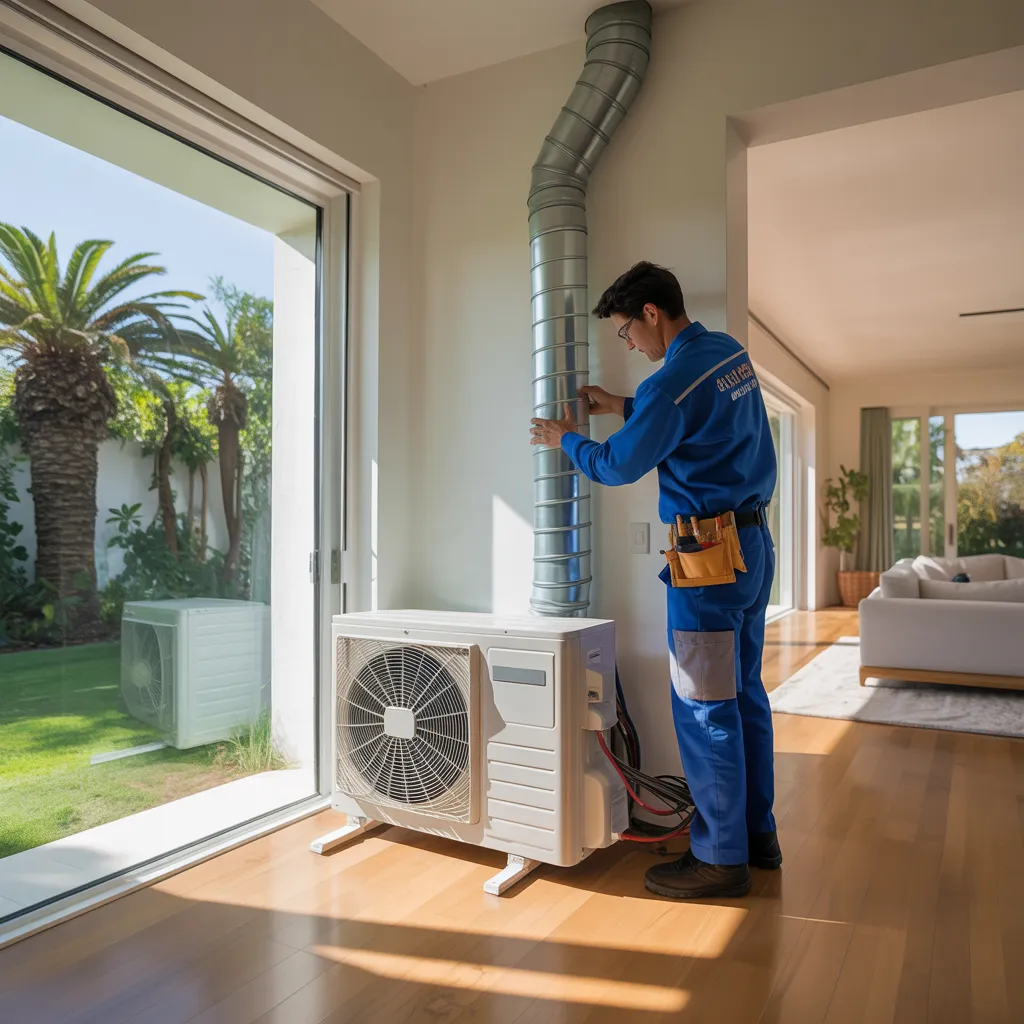
Why Professional AC Installation Is Critical
A proper air conditioning installation can substantially affect a home's comfort and energy efficiency. When carried out by professionals, installation ensures that the system runs at its optimal capacity, reducing the likelihood of future breakdowns. Skilled technicians assess the specific needs of the space, considering factors such as size, insulation, and local climate to recommend the most suitable unit. This tailored approach not only elevates air quality but also maximizes energy savings by ensuring the system runs efficiently.
Furthermore, professional installation reduces the risk of common pitfalls, such as improper sizing or incorrect placement, which can lead to inconsistent cooling and elevated utility bills. Additionally, experts are knowledgeable about local building codes and regulations, ensuring compliance and avoiding potential fines. Finally, a professional installation sets the stage for a reliable air conditioning system, promoting long-term satisfaction and comfort for homeowners. Utilizing professional services is essential for achieving the best results.
Primary Benefits of Regular AC Maintenance
Routine air conditioning maintenance plays a crucial role in maintaining optimal performance and longevity of the system. Scheduled checks and servicing can improve efficiency, resulting in lower energy bills and a reduced carbon footprint. By keeping the system clean and properly maintained, ongoing maintenance prevents the buildup of dust and debris, which can lead to malfunctions and reduce airflow.
In addition, consistent servicing can lengthen the lifespan of the air conditioning system, postponing the need for expensive replacements. It also contributes to identifying future complications before they worsen, facilitating immediate interventions that can prevent homeowners from sudden breakdowns.
Moreover, a regularly serviced air conditioning system operates more quietly, contributing to a more comfortable living environment. All in all, the perks of regular AC maintenance reach beyond basic functionality, offering financial savings and enhanced indoor air quality, finally elevating the overall comfort of any space.
How to Recognize When Your Air Conditioner Requires Repairs?
How do homeowners know when their air conditioning unit might require repairs? Various symptoms point to potential concerns requiring evaluation. As an illustration, if your air conditioner produces warm air rather than cold, it may point to a leak in the refrigerant system or compressor issue. Moreover, unusual noises such as grinding or squeaking can suggest component failures within the system that demand urgent attention.
Home residents need to watch for unusual odors coming from the unit, which could indicate mold growth or burnt wiring. In addition, an unexpected surge in energy bills can indicate inefficiency, often resulting from a failing system. Last of all, if the unit frequently turns on and off or fails to maintain a consistent temperature, it might be a sign of underlying issues. Identifying these symptoms early can help prevent more severe problems and ensure the AC operates efficiently.
Recommendations for Picking the Perfect Air Conditioning Service Provider
Choosing the right air conditioning service provider can substantially influence the longevity and performance of a cooling system. To begin, individuals should look for recommendations from online reviews, friends, or family to gauge the reputation of potential providers. It is vital to confirm that the service provider is licensed, insured, and experienced, maintaining compliance with local regulations and industry standards. Moreover, obtaining multiple quotes can help clients compare pricing and services offered, while also uncovering any hidden fees.
Moreover, assessing the provider's customer service can give valuable insights into their professionalism and reliability. A responsive service provider that offers maintenance plans demonstrates commitment to customer satisfaction. Ultimately, evaluate the range of services provided, including installation, repair, and routine maintenance, as a comprehensive service provider can meet varied needs efficiently. By following these suggestions, individuals can select a reputable air conditioning service provider that satisfies their specific requirements.
Why Energy Efficiency Is Important for Your AC
The energy efficiency of air conditioning systems is essential for both homeowner cost reduction and environmental protection. Energy-efficient AC systems use less power, contributing to reduced greenhouse gas emissions, which is vital in the battle against climate change. This efficiency translates into considerable cost advantages, as homeowners realize lower energy bills, most notably during summer's peak periods when air conditioning demand is greatest.
In addition, energy-efficient units often are eligible for government tax credits and financial benefits, further improving their affordability. Opting for an Energy Star-rated unit delivers peak performance and reliability, making it a prudent investment. Additionally, energy efficiency results in increased equipment longevity, reducing maintenance and replacement expenses over time. By prioritizing energy-efficient air conditioning units, homeowners not only experience a comfortable indoor atmosphere but also promote a sustainable future, highlighting the significance of making educated choices when view information about evaluating AC systems.
Crucial Year-Round Maintenance Tips for Your AC Unit
Despite the fact that many homeowners appreciate the comfort provided by their air conditioning units, periodic seasonal maintenance is necessary to guarantee optimal performance and longevity. One essential task is to replace or clean the air filters every 1-3 months, as this boosts airflow and indoor air quality. In addition, assessing and cleaning the condenser and evaporator coils aids in maintain efficiency and inhibits overheating. Homeowners should also check the drainage system to eliminate any clogs, which can lead to excess moisture and potential damage.
In addition, ensuring that the thermostat is operating correctly is crucial for sustaining desired temperatures. Finally, scheduling a professional inspection at the onset of each cooling season can pinpoint potential issues before they intensify. Executing these essential maintenance practices will contribute to extend the lifespan of the AC unit and enhance energy efficiency, in the end leading to a more comfortable living environment.
Typical Air Conditioning Problems and Resolutions
Preventive maintenance can considerably lower the likelihood of common air conditioning problems, but issues can still develop even with proper care. One frequent problem is subpar cooling, often caused by clogged filters or refrigerant leaks. Frequently replacing filters and inspecting refrigerant levels can help address this issue. Another frequent concern is strange noises, which may indicate unstable components or failing parts; addressing these sounds promptly can prevent more extensive problems. Moreover, if the AC unit frequently cycles on and off, this may signal a thermostat malfunction or electrical issue, requiring professional evaluation. Last but not least, water leaks can occur from plugged condensate lines or damaged pans, potentially leading to water damage. Regular inspections and immediate maintenance are essential for maintaining optimal performance and longevity of air conditioning systems. By recognizing these common problems and implementing swift fixes, homeowners can ensure their AC units operate efficiently throughout the hot months.
What to Anticipate During Your AC Installation Procedure
Homeowners can typically expect a methodical approach during the air conditioning installation process, providing quality outcomes. Initially, a certified technician will perform a thorough assessment of the home, assessing factors such as size, insulation, and existing ductwork. This assessment aids in choosing the appropriate unit that fulfills the household's cooling demands.
After the selection, the installation team will prepare the site, which may encompass removing an old unit and guaranteeing proper electrical and plumbing connections. Subsequently, they will fit the new air conditioning unit, adhering to manufacturer specifications and local building codes.
Upon completing the installation, the technicians will conduct system testing to ensure proper functionality and efficiency. Homeowners can expect a comprehensive review of the system's features, together with maintenance tips to enhance system performance. Finally, any debris will be cleared, leaving the home tidy and set for immediate cooling comfort.
Popular Questions
How Regularly Should I Switch Out My Air Conditioning Filter?
Air conditioning filters should typically be replaced every one to three months, according to usage and environmental conditions. Regular inspections can help preserve efficiency and air quality, guaranteeing optimal performance across the cooling season.
How Large Should My Home's Air Conditioner Be?
To determine the proper air conditioner size for a property, one should consider the square footage, insulation quality, ceiling height, and local climate. As a rule, 20 BTUs per square foot is a widely-used guideline for sizing.
Can I Install an Air Conditioner Myself?
Installing an air conditioner oneself is possible, but it requires technical knowledge and proper tools. Incorrect installation can result in inefficiency or damage, so many homeowners opt for hiring professionals for optimal performance and peace of mind.
What is the Typical Lifespan of an Air Conditioning Unit?
An AC unit usually lasts between 15 to 20 years, based on maintenance, usage, and environmental factors. Consistent servicing and quick repairs may extend its lifespan, providing optimal performance throughout its operational years.
What Are the Indicators My AC System Is Energy Wasteful?
Indicators of energy inefficiency in an AC system include unusually high energy bills, inconsistent temperatures, frequent cycling on and off, excessive noise, and weak airflow. These symptoms suggest the system may require maintenance or replacement.